Music, Medicine, and the Healing Power of Bach
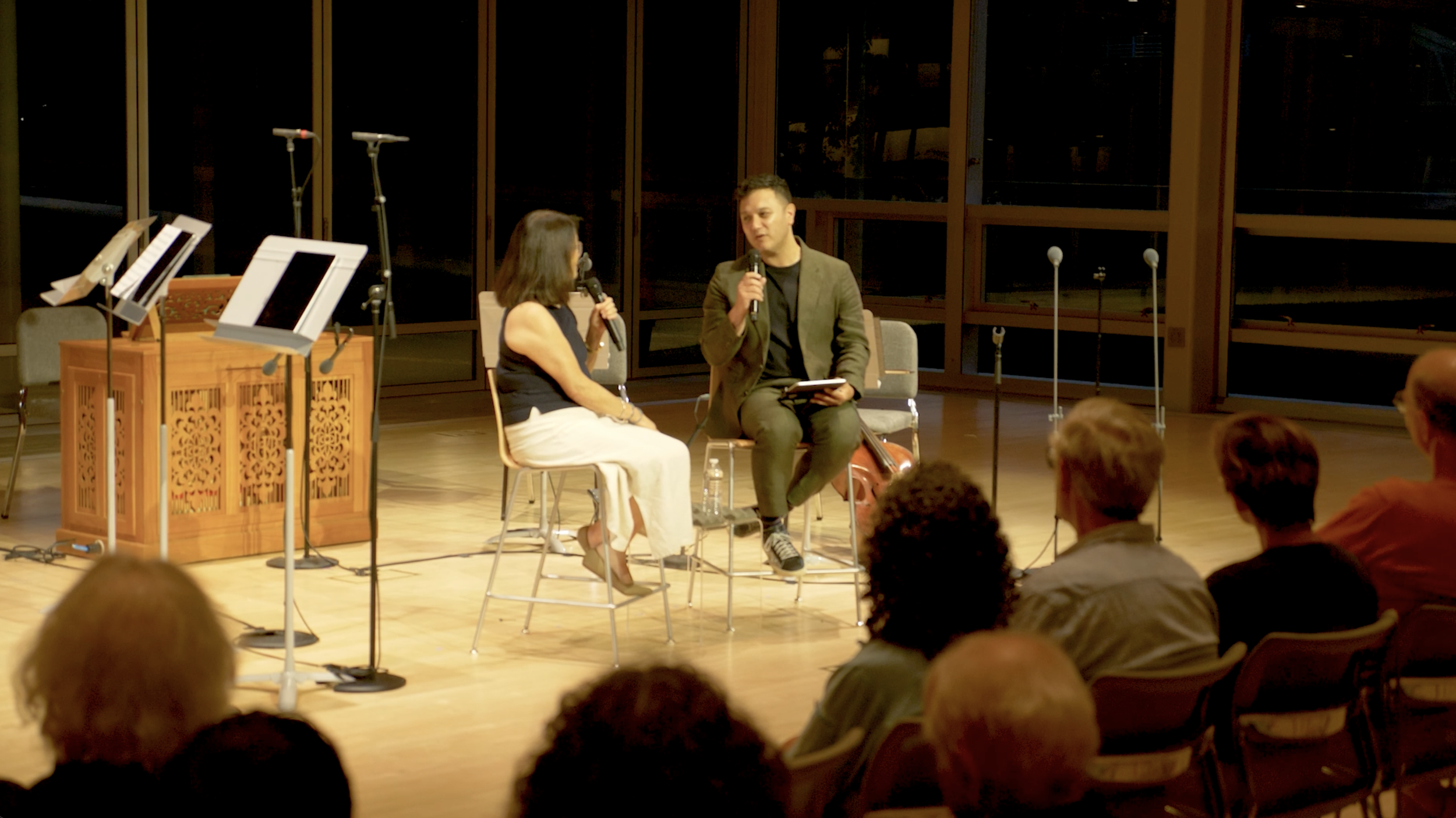
In August 2025, the Tanglewood Learning Institute hosted the second live-filmed conversation for BACH 52. This episode features Dr. Lisa Wong—pediatrician, musician, past president of the Longwood Symphony Orchestra, and co-director of the Arts and Humanities Initiative at Harvard Medical School.
Lisa's journey with Bach began in her childhood home in Honolulu, where five siblings turned fugues into games, dancing like wolves to music and teaching each other ear training through play. As a teenager, she brought music to lonely children in the Shriners Hospital, an experience that planted the seed for her unique career bridging medicine and music.
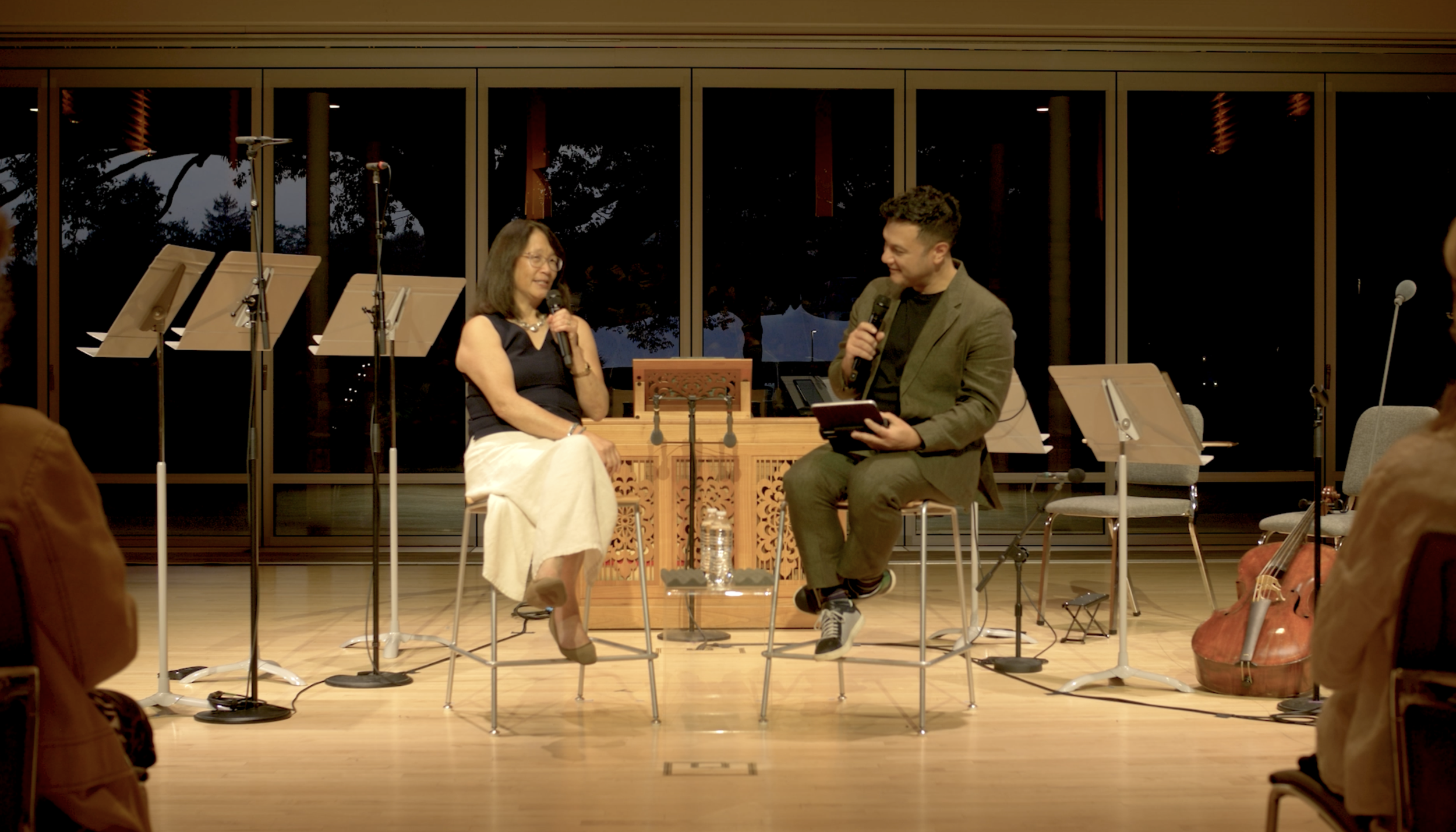
Our conversation explores how Bach's music has served Lisa throughout her life—from helping her solve calculus problems in college to providing comfort in clinical settings. She shares insights on how Bach's structure ("rules broken just enough to keep you interested") creates both order and surprise, and how his deeply human emotional expression transcends the religious texts he set to music.
We also discuss her inspiration, Albert Schweitzer—the organist, Bach scholar, and physician who called his hospital in Gabon an "improvisation," carrying Bach's spirit of curiosity and harmony into his medical practice.
No matter what paths our lives take, they inevitably intersect with the likes of Lisa and her medical professional colleagues at some point, for better or for worse. Oftentimes, we are encountering the field of medicine on the worst days of our lives, and much of a medical professional's work is to usher us through those moments, whether they are helping us heal or gently holding our hands as we pass through that final transition from this life into whatever lies beyond. With this in mind, our conversation was centered around an aria from Cantata BWV 21, which confronts suffering and its associated terror head-on ("Why have you turned away in my hour of distress?"), then paints torrents of tears in the most achingly beautiful music.
The episode features two performances of this aria from Bach's Cantata BWV 21. We close with a bonus performance of Buxtehude's "Quemadmodum desiderat cervus"—music by one of Bach's greatest inspirations.
Through Lisa's story, I'm reminded that Bach's music doesn't just belong in concert halls or churches—it lives in hospitals, in practice rooms where students struggle with calculus, in the hands of medical professionals who find renewal through art, and in the everyday moments when we need something to help us feel both grounded and transcendent.
Special thanks to the Tanglewood Learning Institute, Bach Collegium San Diego, Noe Music, and the American Bach Society for their support of this episode.
EPISODE CREDITS:
BWV 21
Bach Collegium San Diego | Ruben Valenzuela, director
Violins: Elizabeth Blumenstock, Janet Strauss
Viola: Aaron Westman
Cello: Alex Greenbaum
Violone: Malachi Bandy
Therbo: Kevin Payne
Oboes: Kathryn Montoya, Stephen Bard
Bassoon: Anna Marsh
Organ: Ruben Valenzuela
BuxWV 92
Ruckus Early Music
Violins: Katie Hyun, Owen Dalby
Viola da gamba: Doug Balliett
Bassoon: Clay Zeller-Townson
Theorbo: Joshua Stauffer
Harpsichord: Elliot Figg
VIDEO (arias only): Clubsoda Productions
SOUND (BWV 21 only): Daniel Rumley
SOUND (BuxWV 92): Lolly Lewis
Episode 15 is produced in partnership with Bach Collegium San Diego, Noe Music, and the Tanglewood Learning Institute.
BACH 52 is made possible in part by grants from the American Bach Society, the Center for Cultural Innovation, the Bettina Baruch Foundation, and Intermusic SF.
BACH 52 is a production of Nicholas Phan Recording Projects, which is a sponsored project of Fractured Atlas, a non-profit arts service organization.
Charitable contributions in support of Nicholas Phan Recording Projects and the BACH 52 project must be made payable to “Fractured Atlas” only and are tax-deductible to the extent permitted by law.