Fellow Citizens
Songs of migration, belonging, and what home really means — texts, translations & images
Welcome. This page accompanies live performances of Fellow Citizens, a recital exploring migration, belonging, and what home really means. Below are the sung texts in concert order, with links to English translations, alongside the archival images projected during the performance.
During the performance, please keep phones silenced and screens dimmed.
I. The Melting Pot
Irving Berlin — God Bless America
Text by Irving Berlin
II. The Journey
Franz Schubert — Der Wanderer, D. 649
Text by Friedrich von Schlegel
Wie deutlich des Mondes Licht Zu mir spricht, Mich beseelend zu der Reise: „Folge treu dem alten Gleise, Wähle keine Heimat nicht. Ew’ge Plage Bringen sonst die schweren Tage; Fort zu andern Sollst du wechseln, sollst du wandern, Leicht entfliehend jeder Klage.“ Sanfte Ebb’ und hohe Flut, Tief im Mut, Wandr’ ich so im Dunkeln weiter, Steige mutig, singe heiter, Und die Welt erscheint mir gut. Alles reine Seh’ ich mild im Widerscheine, Nichts verworren In des Tages Glut verdorren: Froh umgeben, doch alleine.
English translation by Richard Wigmore (Oxford Song) ↗
Rebecca Clarke — Up-Hill
Text by Christina Rossetti
Does the road wind up-hill all the way? Yes, to the very end. Will the day’s journey take the whole long day? From morn to night, my friend. But is there for the night a resting-place? A roof for when the slow dark hours begin. May not the darkness hide it from my face? You cannot miss that inn. Shall I meet other wayfarers at night? Those who have gone before. Then must I knock, or call when just in sight? They will not keep you standing at that door. Shall I find comfort, travel-sore and weak? Of labour you shall find the sum. Will there be beds for me and all who seek? Yea, beds for all who come.
III. These Strangers
Song cycle by Jake Heggie
These Strangers
Text by Emily Dickinson
These Strangers, in a foreign World, Protection asked of me — Befriend them, lest Yourself in Heaven Be found a Refugee —
In the Midst of Thousands
Text by Frederick Douglass
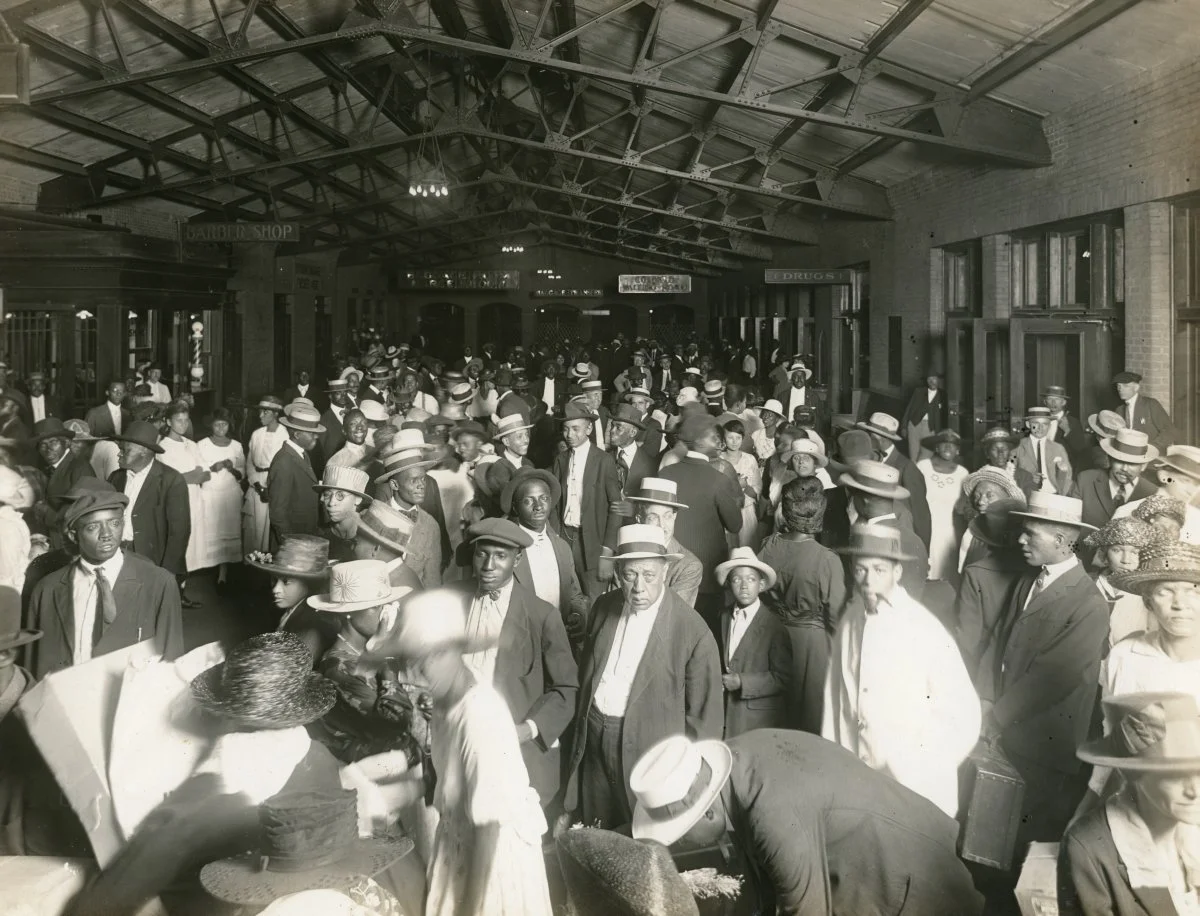
There I was in the midst of thousands, And yet a perfect stranger; Without home and without friends Afraid to speak to anyone For fear of speaking to the wrong one I saw in every white man an enemy And in almost every colored man Cause for distrust. There I was in the midst of thousands, And yet a perfect stranger;
First They Came
Text by Martin Niemöller
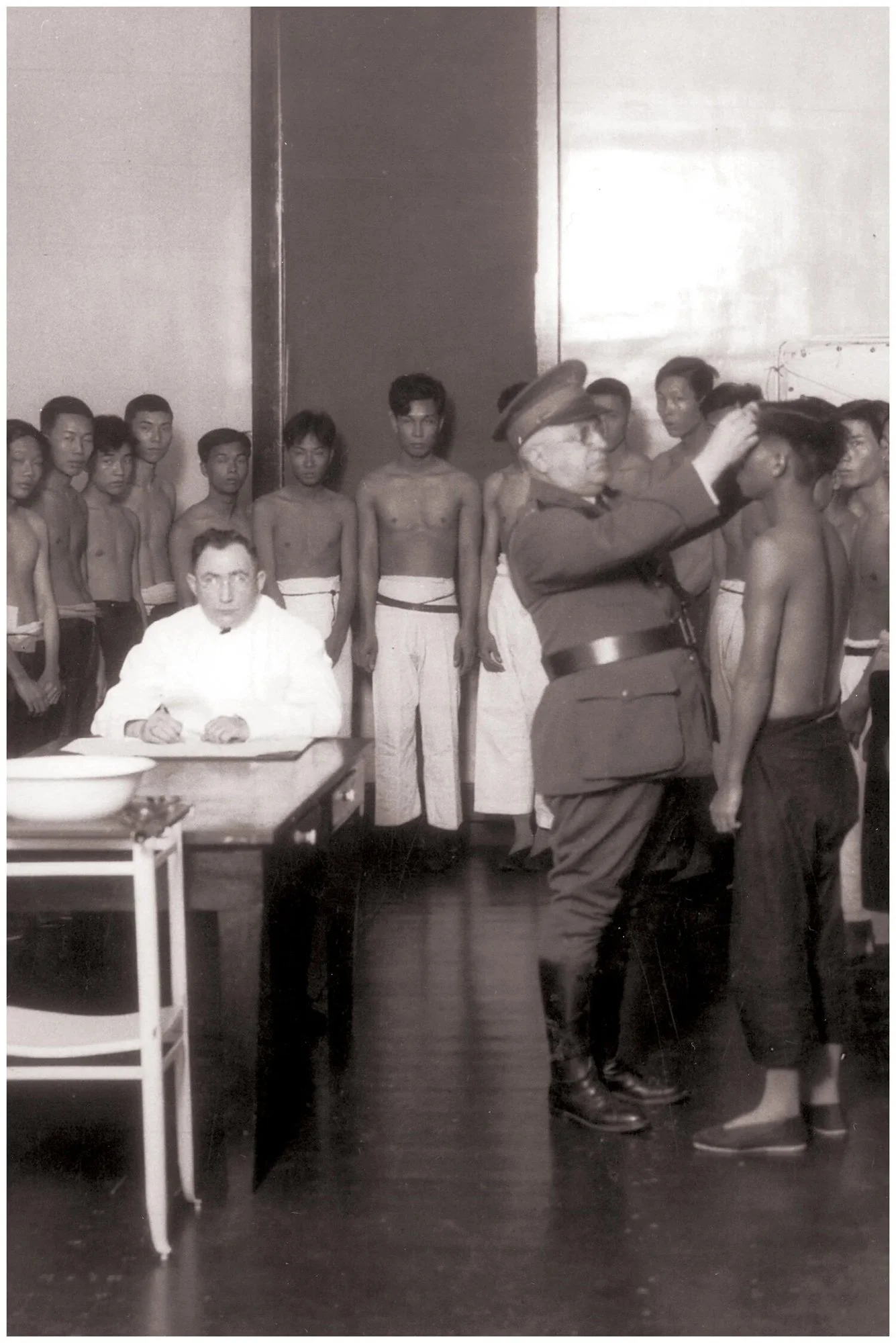
Read the text (United States Holocaust Memorial Museum) ↗
Passing Stranger
Text by Walt Whitman
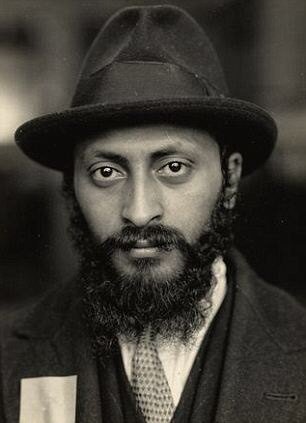
Passing stranger! You do not know how longingly I look upon you, You must be he I was seeking, or she I was seeking, (it comes to me, as of a dream,) I have somewhere surely lived a life of joy with you, All is recall’d as we flit by each other, fluid, affectionate, chaste, matured, You grew up with me, were a boy with me, or a girl with me, I ate with you, and slept with you — your body has become not yours only, nor left my body mine only, You give me the pleasure of your eyes, face, flesh, as we pass — you take of my beard, breast, hands, in return, I am not to speak to you — I am to think of you when I sit alone, or wake at night alone, I am to wait — I do not doubt I am to meet you again, I am to see to it that I do not lose you.
IV. The Songs We Carried
Béla Bartók (arr.) — Elindultam szép hazámbul, BB 42, No. 1
Hungarian folk song
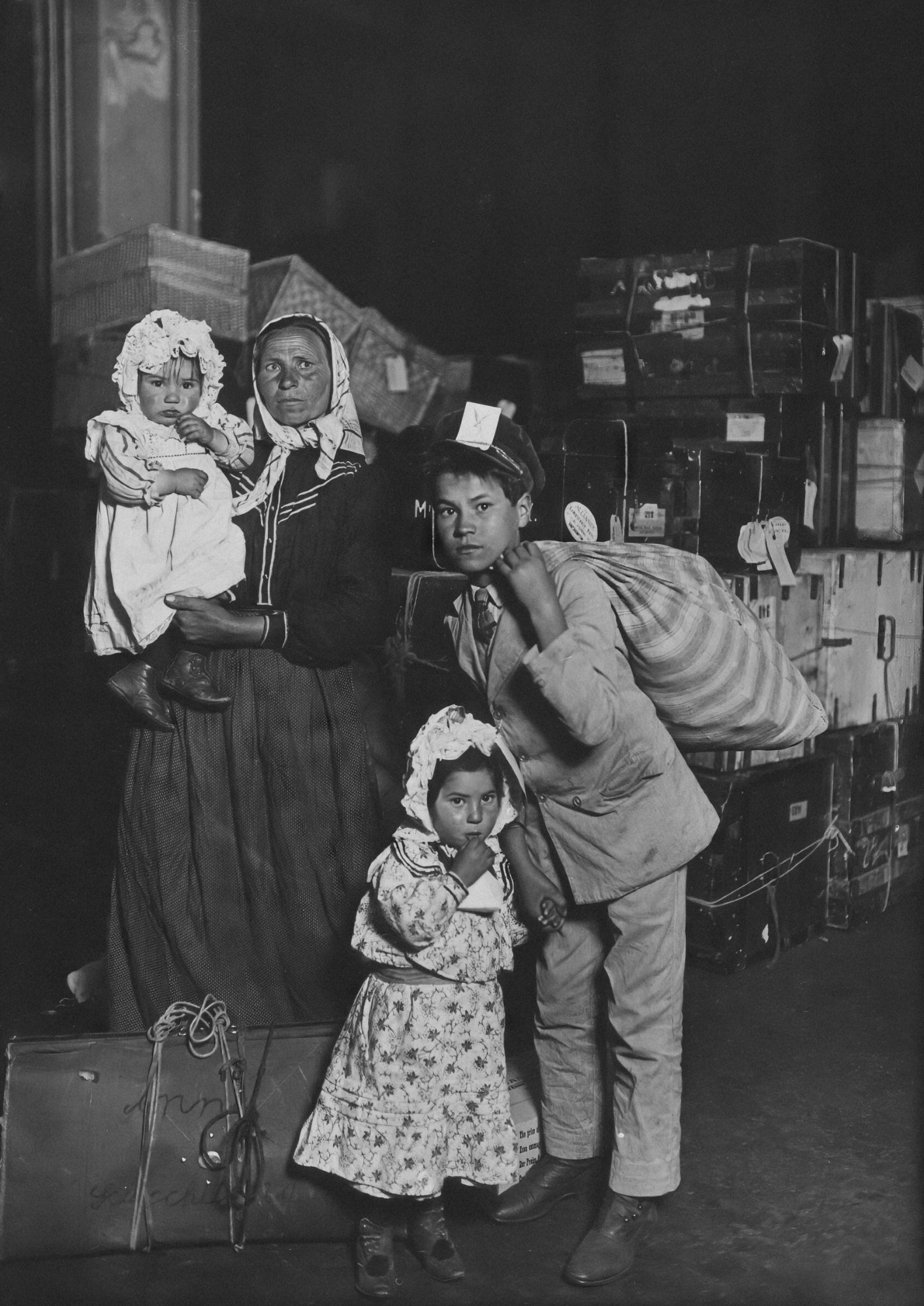
Elindultam szép hazámbul, Híres kis Magyarországbul. Viszszanéztem fél utambul, Szemembül a könny kicsordult.
I departed my beautiful homeland, Leaving famous little Hungary. I looked back halfway along the road, And tears welled up in my eyes.
English translation by Nicholas Phan.
Antonín Dvořák — Když mne stará matka (Songs My Mother Taught Me)
Text by Adolf Heyduk
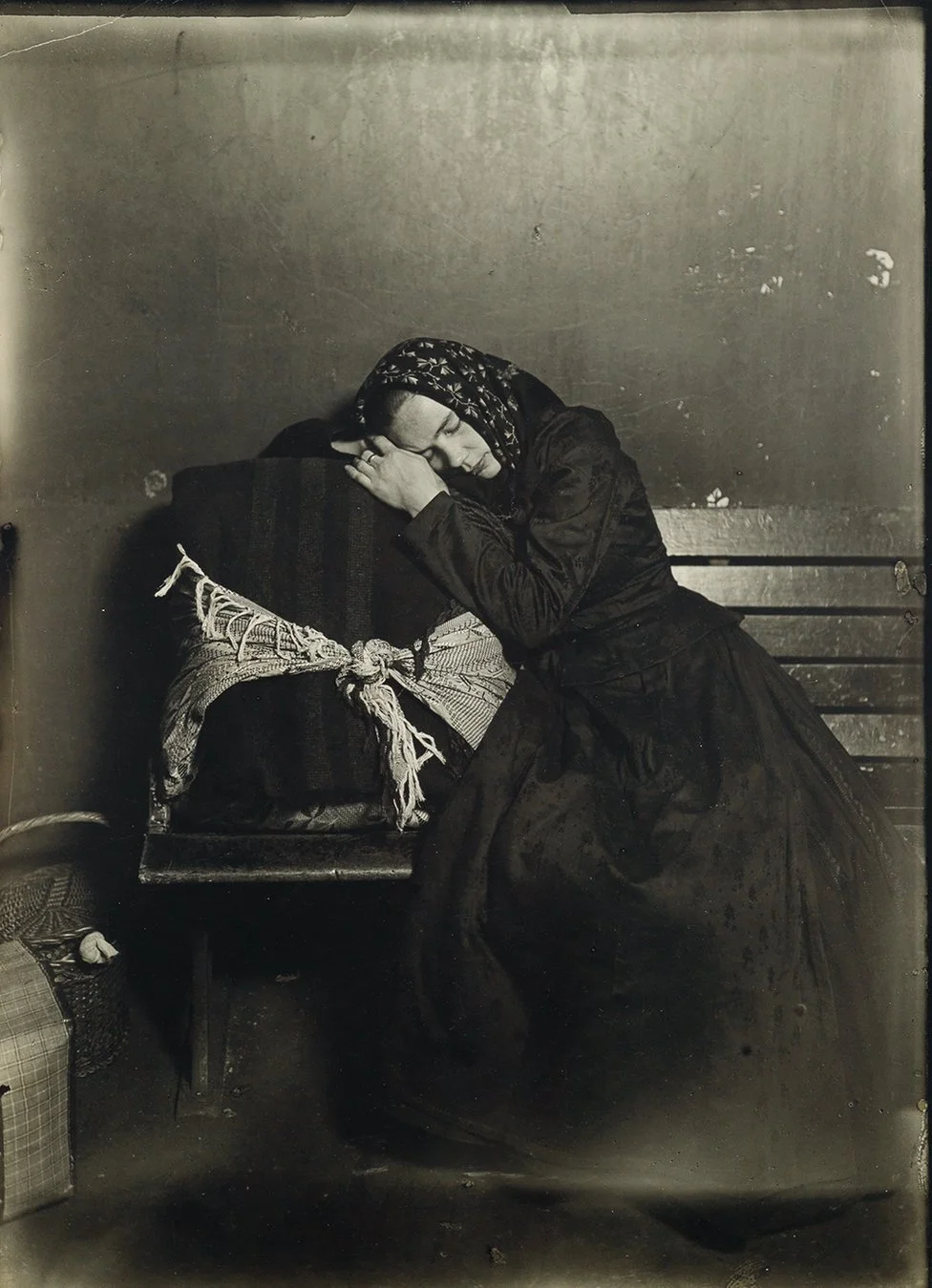
Když mne stará matka zpívat, zpívat učívala, podivno, že často, často slzívala. A teď také pláčem snědé líce mučím, když cikánské děti hrát a zpívat učím!
English translation (Oxford Song) ↗
Steven Mark Kohn (arr.) — Poor Wayfaring Stranger
Traditional American
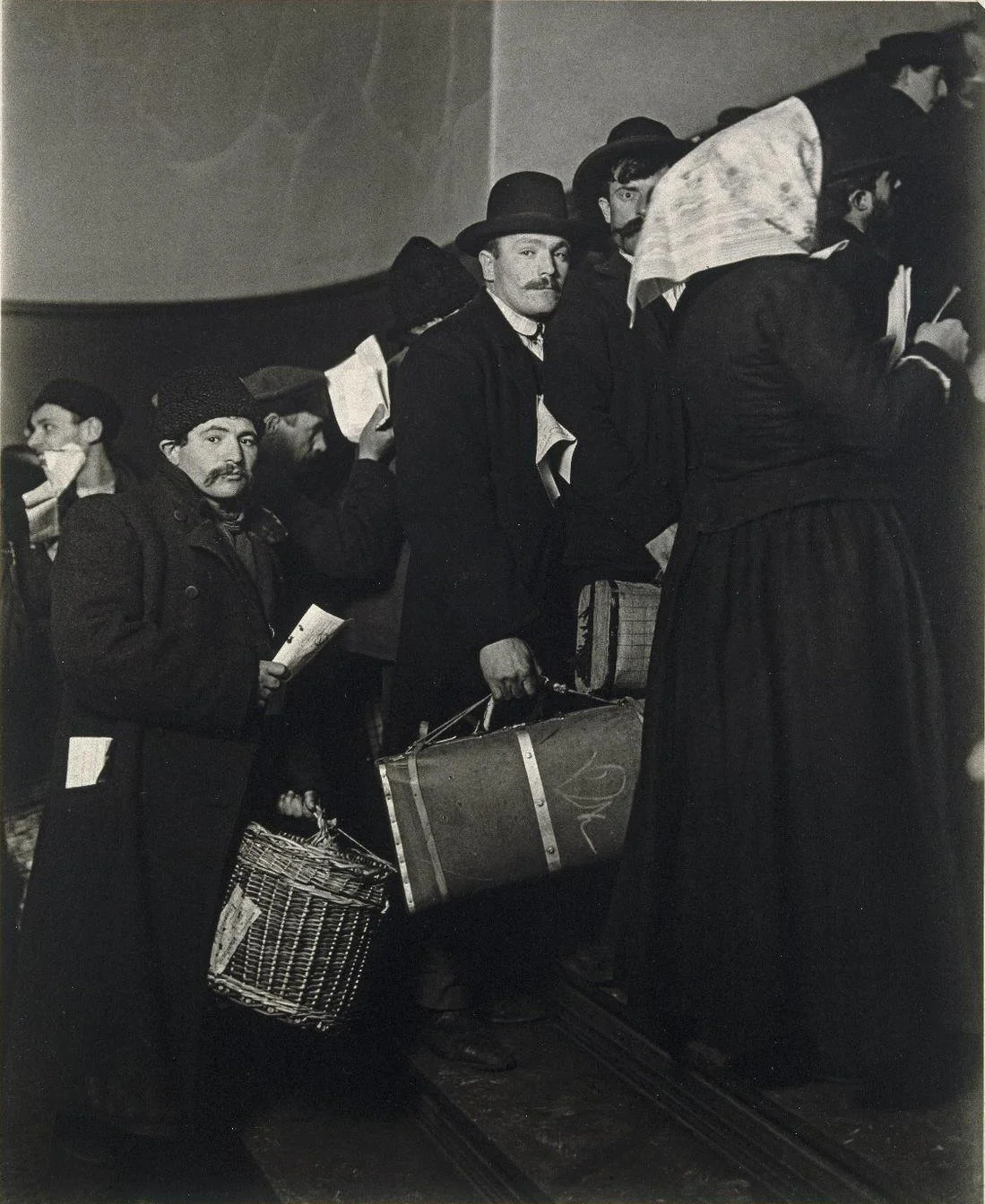
I am a poor wayfaring stranger, a-trav’lin’ through this world of woe, And there’s no sickness, toil or danger in that bright land to which I go. I’m going there to meet my mother. I’m going there no more to roam. I’m just a-goin’ over Jordan. I’m just a-goin’ over home. I am a poor wayfaring stranger, a-trav’lin’ through this world of woe, And there’s no sickness, toil or danger in that bright land to which I go. I’m going there to meet my father. I’m going there no more to roam. I’m just a-goin’ over Jordan. I’m just a-goin’ over home.
V. The Beautiful
Song cycle by Shawn Okpebholo
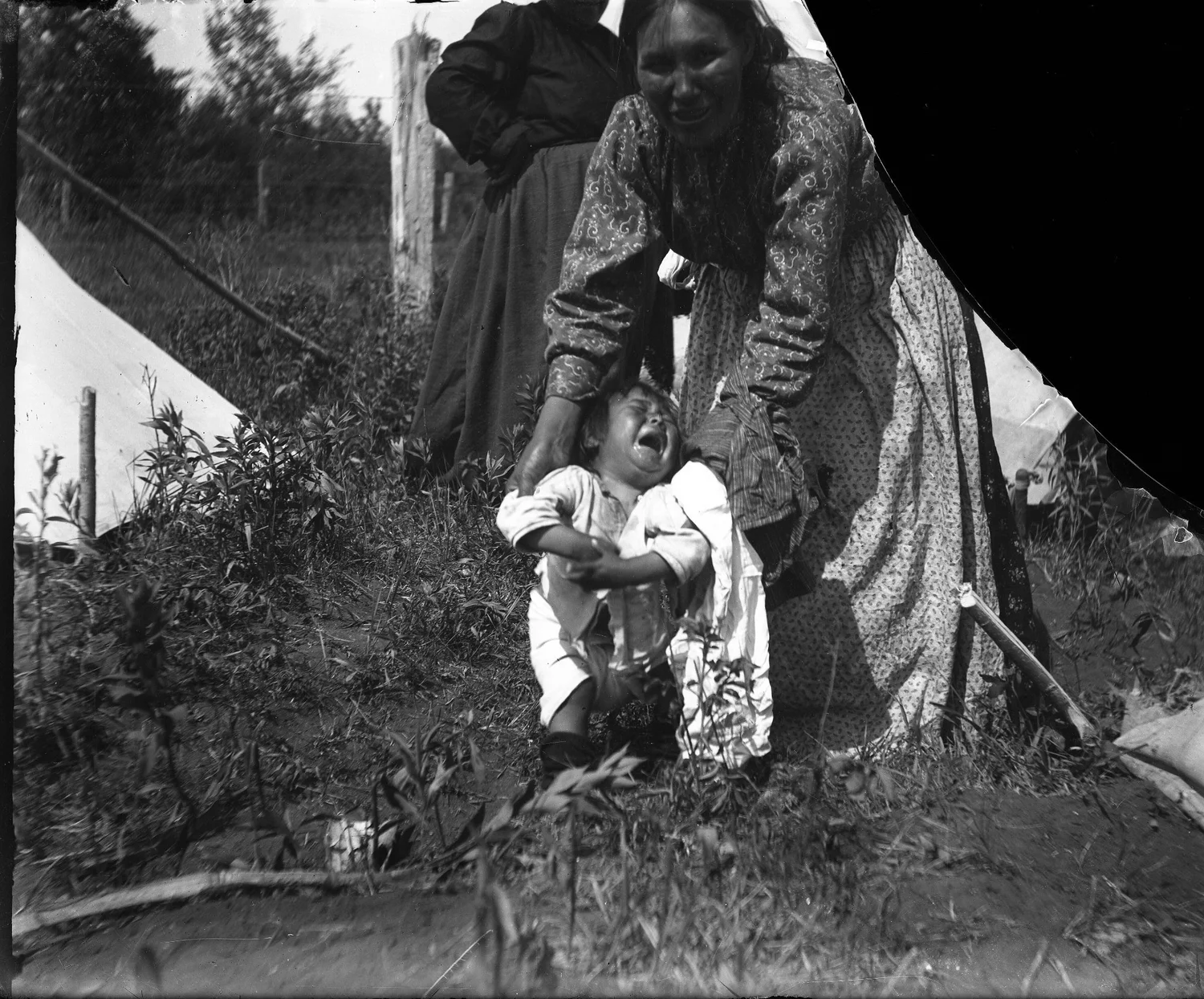
The Way We Meet
Text by Margaret Noodin
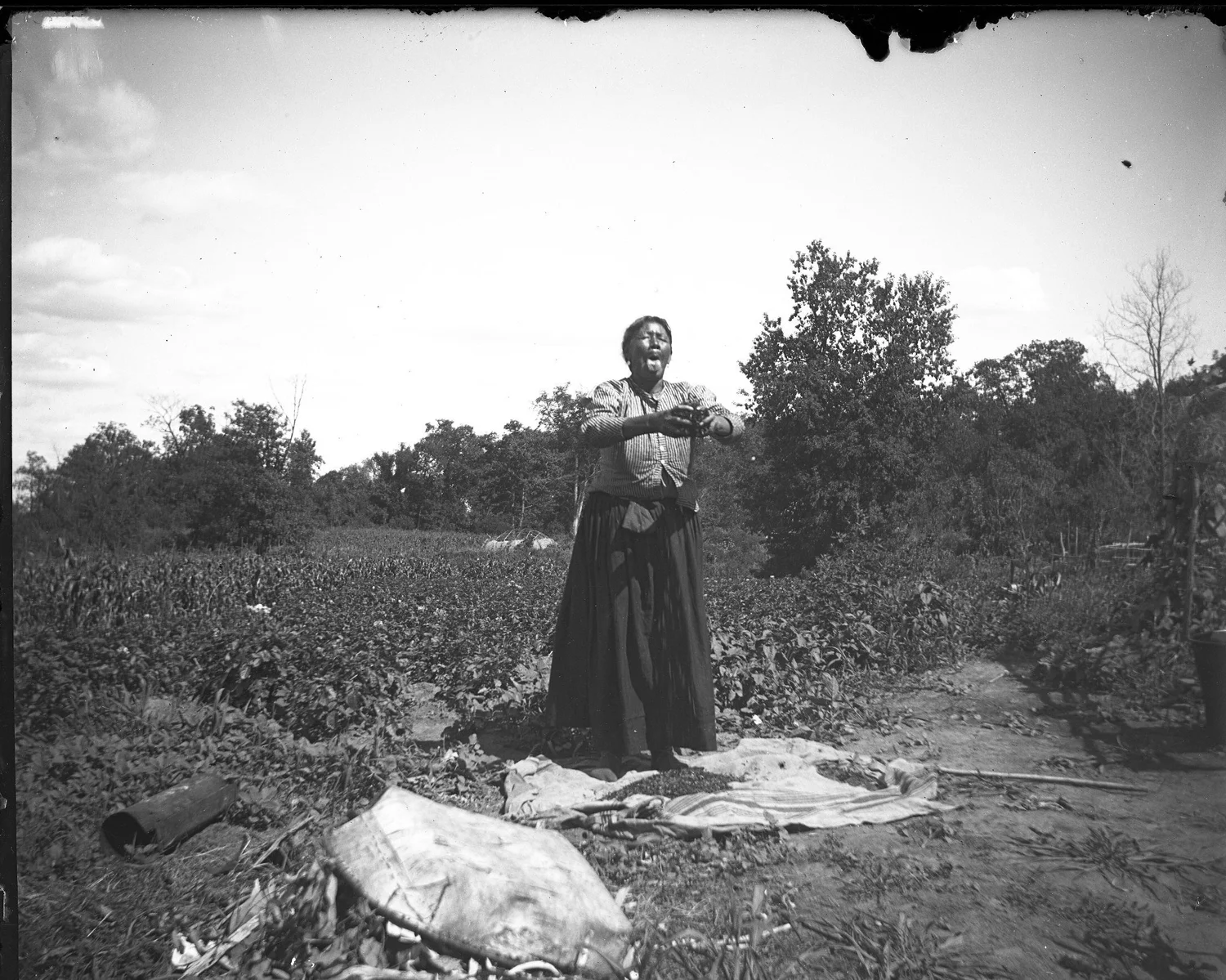
[Text under copyright]
Chicago
Text by Carl Sandburg

Hog Butcher for the World, Tool Maker, Stacker of Wheat, Player with Railroads and the Nation’s Freight Handler; Stormy, husky, brawling, City of the Big Shoulders: They tell me you are wicked and I believe them, And they tell me you are crooked and I answer: Yes, it’s true I have seen the gunman kill and go free to kill again. And they tell me you are brutal and my reply is: On the faces of women and children I have seen the marks of wanton hunger. And having answered so I turn once more to those who sneer at this my city, and I give them back the sneer and say to them: Come and show me another city with lifted head singing so proud to be alive and coarse and strong and cunning. Fierce as a dog with tongue lapping for action, Bareheaded, Shoveling, Wrecking, Planning, Building, breaking, rebuilding, Under the smoke, dust all over his mouth, laughing with white teeth, Under the terrible burden of destiny laughing as a young man laughs, Laughing even as an ignorant fighter laughs who has never lost a battle, Bragging and laughing that under his wrist is the pulse, and under his ribs the heart of the people, Laughing! Laughing the stormy, husky, brawling laughter of Youth, half-naked, sweating, proud to be Hog Butcher for the World, Tool Maker, Stacker of Wheat, Player with Railroads and Freight Handler to the Nation.
The Beautiful
Text by Tsitsi Jaji
[Text under copyright]
Tropics in New York
Text by Claude McKay
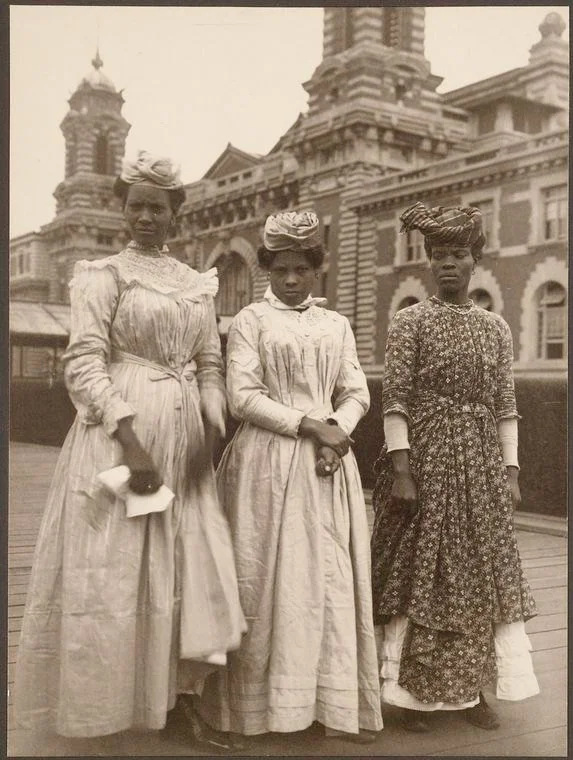
Bananas ripe and green, and ginger-root, Cocoa in pods and alligator pears, And tangerines and mangoes and grape fruit, Fit for the highest prize at parish fairs, Set in the window, bringing memories Of fruit-trees laden by low-singing rills, And dewy dawns, and mystical blue skies In benediction over nun-like hills. My eyes grew dim, and I could no more gaze; A wave of longing through my body swept, And, hungry for the old, familiar ways, I turned aside and bowed my head and wept. Bananas, and ginger-root, and Cocoa and alligator pears, tangerines and mangoes and grape fruit, bringing memories.
Mending
Text by Tsitsi Jaji
[Text under copyright]
VI. The Welcome
Ruth Crawford Seeger — Chinaman, Laundryman
Text by H. T. Tsiang
Read the text (Song of America) ↗
Franz Schubert — Pilgerweise, D. 789
Text by Franz von Schober
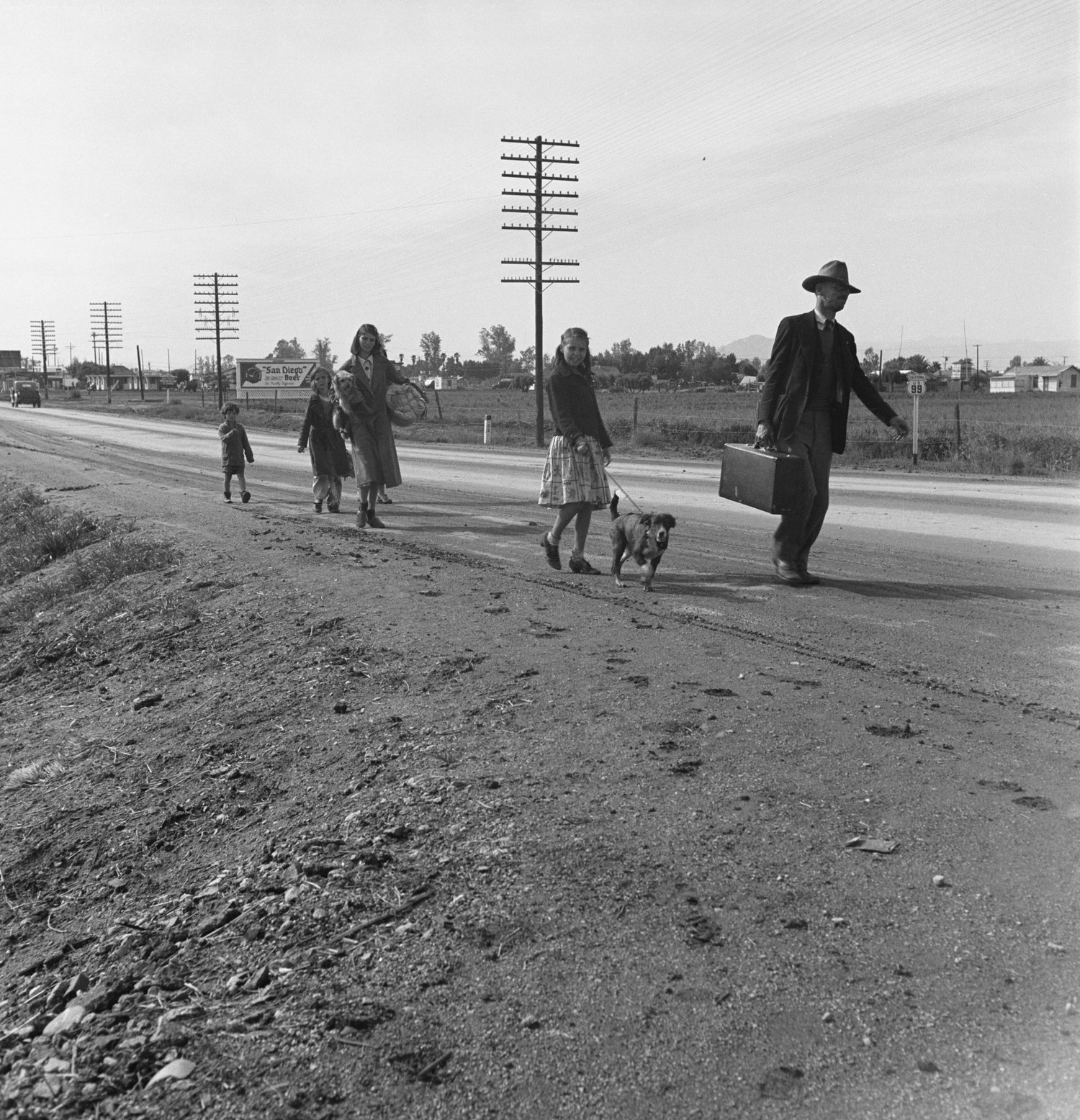
Ich bin ein Waller auf der Erde Und gehe still von Haus zu Haus, O reicht mit freundlicher Gebärde Der Liebe Gaben mir heraus! Mit offnen teilnahmsvollen Blicken, Mit einem warmen Händedruck Könnt ihr dies arme Herz erquicken, Und es befrei’n von langem Druck. Doch rechnet nicht, dass ich euch’s lohnen, Mit Gegendienst vergelten soll; Ich streue nur mit Blumenkronen, Mit blauen, eure Schwelle voll. Und geb’ ein Lied euch noch zur Zither, Mit Fleiss gesungen und gespielt, Das euch vielleicht nur leichter Flitter, Ein leicht entbehrlich Gut euch gilt – Mir gilt es viel, ich kann’s nicht missen, Und allen Pilgern ist es wert; Doch freilich ihr, ihr könnt nicht wissen, Was den beseligt, der entbehrt. Vom Überfluss seid ihr erfreuet, Und findet tausendfach Ersatz; Ein Tag dem andern angereihte Vergrössert euren Liebesschatz. Doch mir, so wie ich weiter strebe An meinem harten Wanderstäbe, Reisst in des Glückes Lustgewebe Ein Faden nach dem andern ab. Drum kann ich nur von Gaben leben, Von Augenblick zu Augenblick, O wollet vorwurfslos sie geben, Zu eurer Lust, zu meinem Glück.
English translation by Richard Wigmore (Oxford Song) ↗
VII. The Journey, Continued
Franz Schubert — Der Wanderer an den Mond, D. 870
Text by Johann Gabriel Seidl
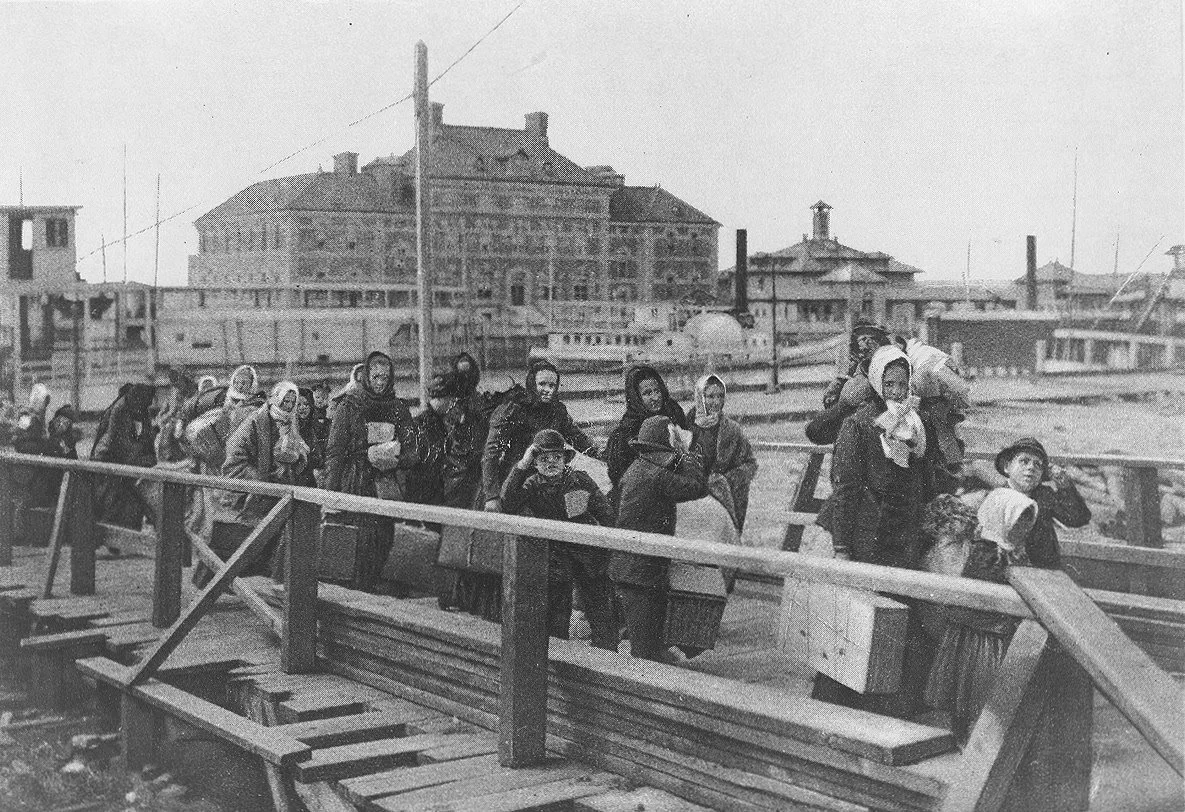
Ich auf der Erd’, am Himmel du, Wir wandern beide rüstig zu: Ich ernst und trüb, du mild und rein, Was mag der Unterschied wohl sein? Ich wandre fremd von Land zu Land, So heimatlos, so unbekannt; Bergauf, bergab, Wald ein, Wald aus, Doch bin ich nirgend, ach! zu Haus. Du aber wanderst auf und ab Aus Ostens Wieg’ in Westens Grab, Wallst Länder ein und Länder aus, Und bist doch, wo du bist, zu Haus. Der Himmel, endlos ausgespannt, Ist dein geliebtes Heimatland: O glücklich, wer, wohin er geht, Doch auf der Heimat Boden steht!
English translation by Richard Wigmore (Oxford Song) ↗
Errollyn Wallen — My Feet May Take a Little While
Text by Errollyn Wallen
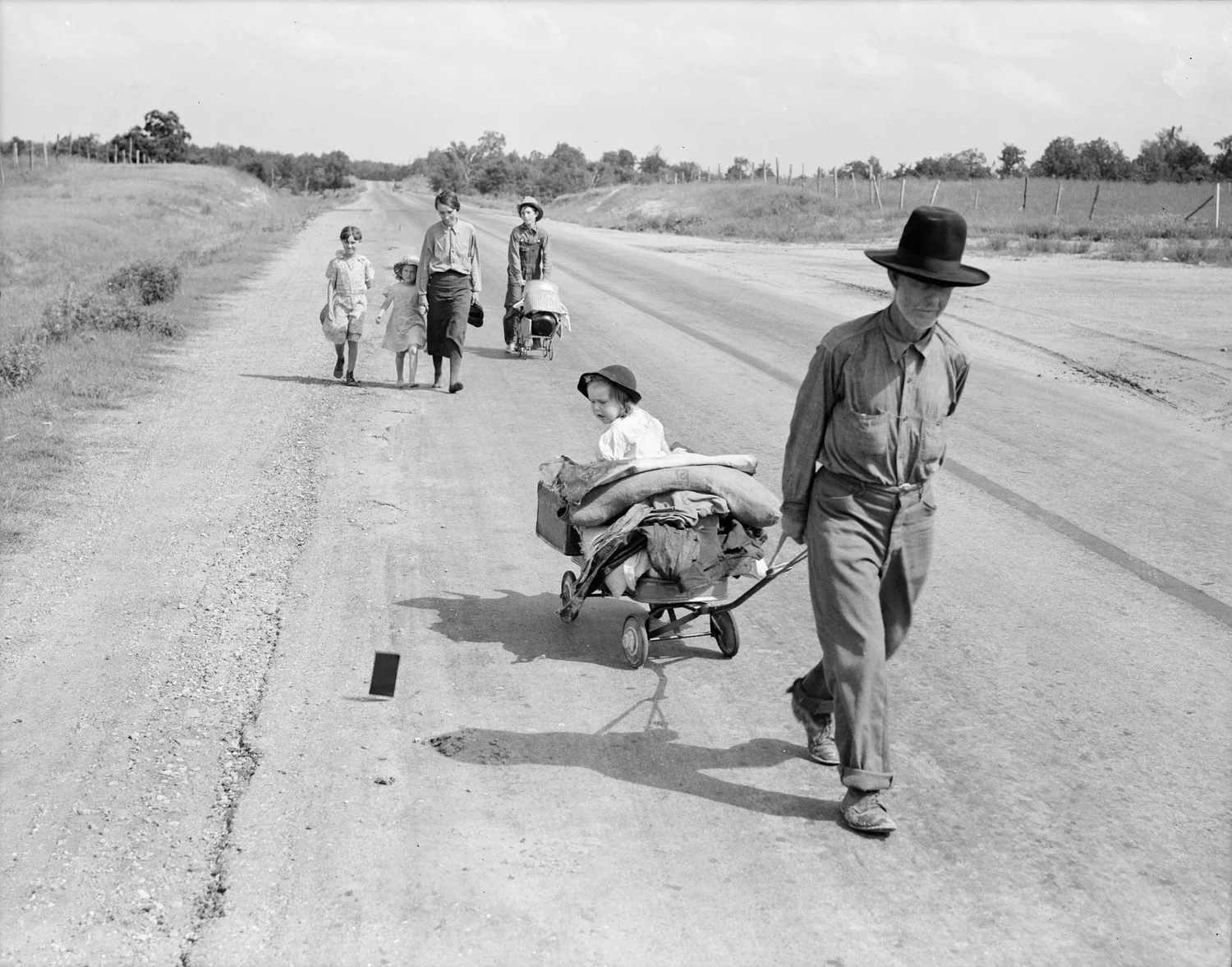
Ralph Vaughan Williams — Whither Must I Wander?
Text by Robert Louis Stevenson
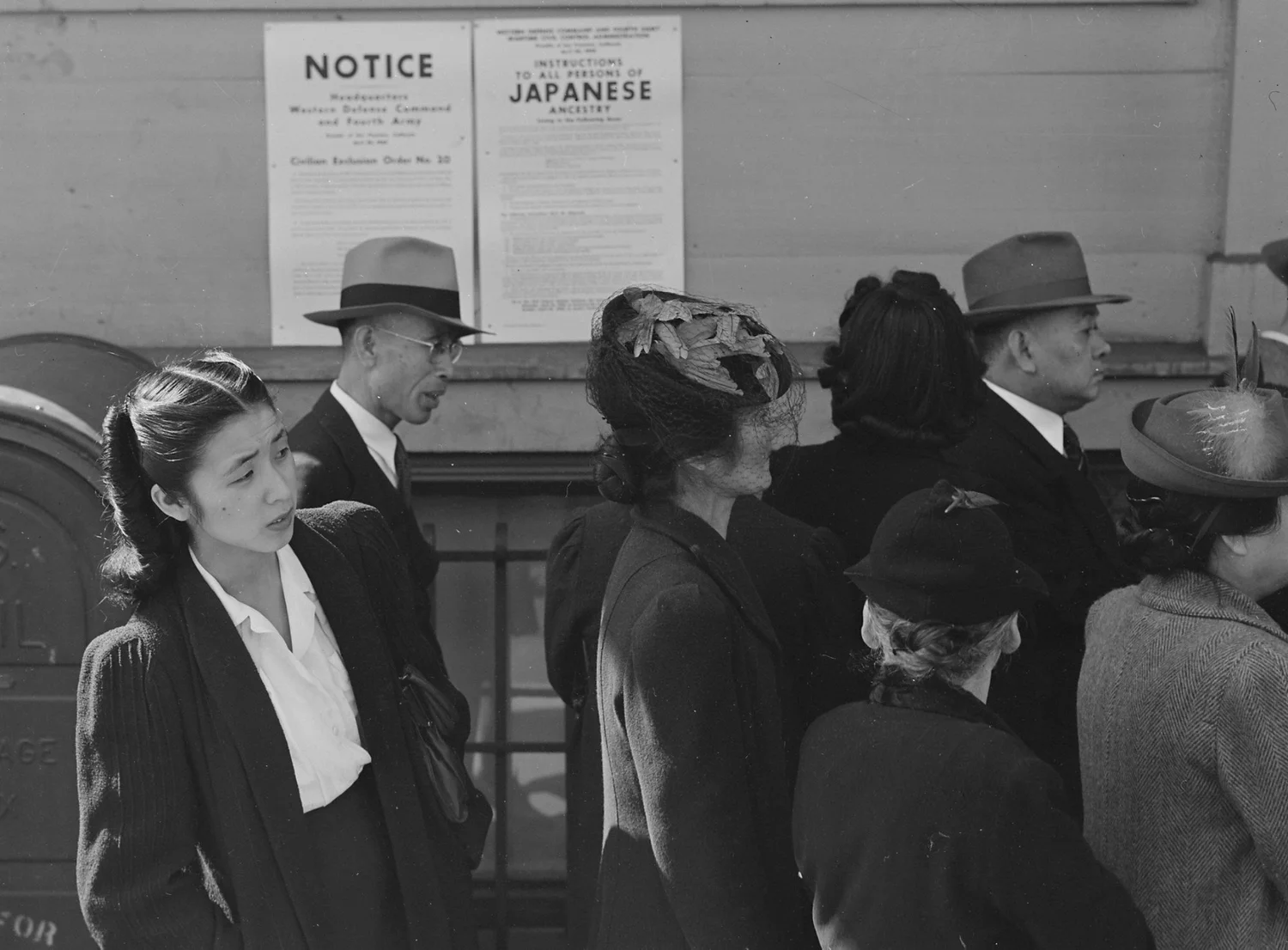
Home no more home to me, whither must I wander? Hunger my driver, I go where I must. Cold blows the winter wind over hill and heather: Thick drives the rain and my roof is in the dust. Loved of wise men was the shade of my roof-tree, The true word of welcome was spoken in the door — Dear days of old with the faces in the firelight, Kind folks of old, you come again no more. Home was home then, my dear, full of kindly faces, Home was home then, my dear, happy for the child. Fire and the windows bright glittered on the moorland; Song, tuneful song, built a palace in the wild. Now when day dawns on the brow of the moorland, Lone stands the house, and the chimney-stone is cold. Lone let it stand, now the friends are all departed, The kind hearts, the true hearts, that loved the place of old. Spring shall come, come again, calling up the moorfowl, Spring shall bring the sun and rain, bring the bees and flowers; Red shall the heather bloom over hill and valley, Soft flow the stream through the even-flowing hours. Fair the day shine as it shone on my childhood — Fair shine the day on the house with open door; Birds come and cry there and twitter in the chimney — But I go for ever and come again no more.
VIII. Citizens
Eric Malmquist — Fellow Citizens
Text by Carl Sandburg
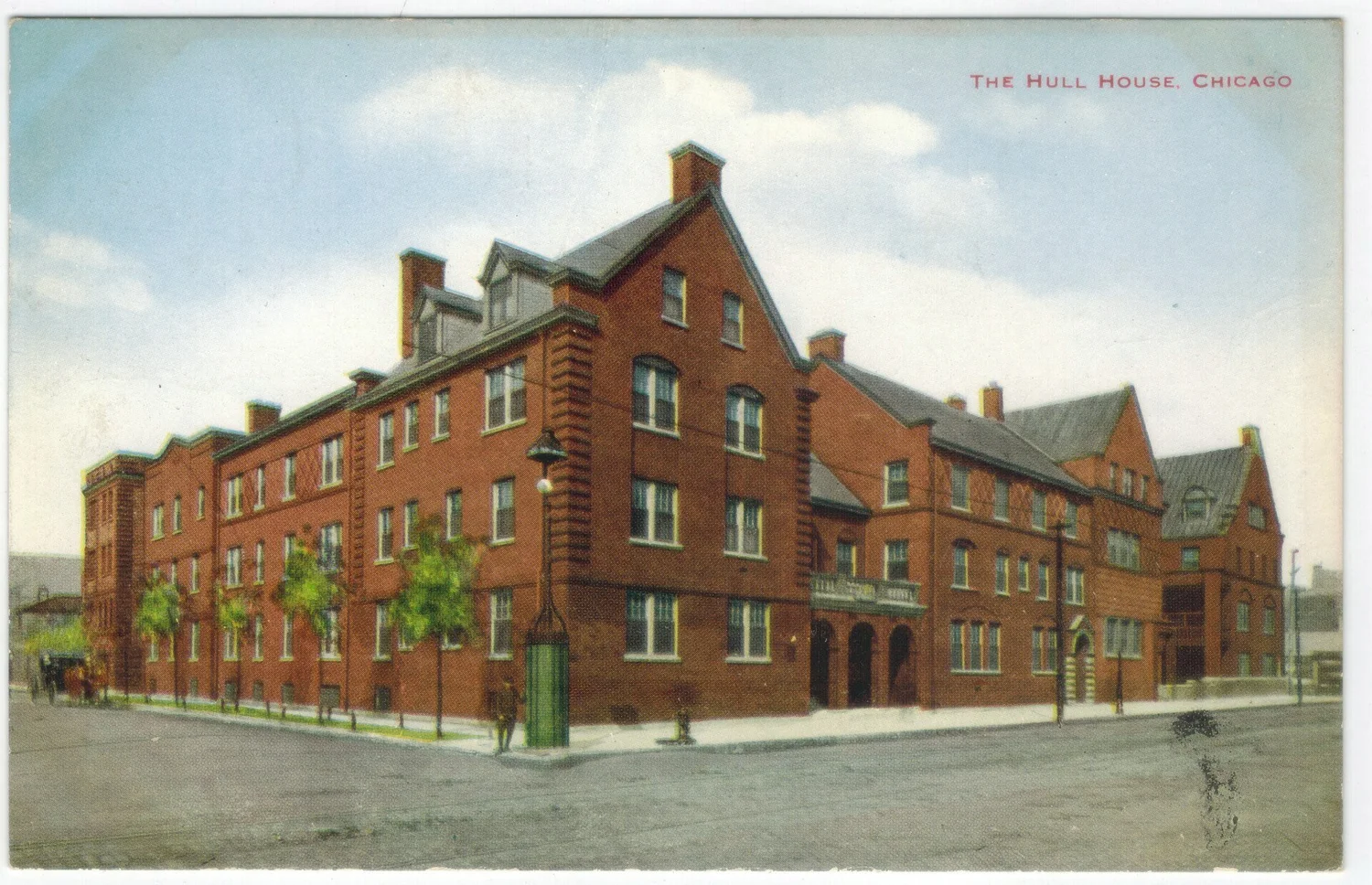
I drank musty ale at the Illinois Athletic Club with the millionaire manufacturer of Green River butter one night And his face had the shining light of an old-time Quaker, he spoke of a beautiful daughter, and I knew he had a peace and a happiness up his sleeve somewhere. Then I heard Jim Kirch make a speech to the Advertising Association on the trade resources of South America. And the way he lighted a three-for-a-nickel stogie and cocked it at an angle regardless of the manners of our best people, I knew he had a clutch on a real happiness even though some of the reporters on his newspaper say he is the living double of Jack London’s Sea Wolf. In the mayor’s office the mayor himself told me he was happy though it is a hard job to satisfy all the office-seekers and eat all the dinners he is asked to eat. Down in Gilpin Place, near Hull House, was a man with his jaw wrapped for a bad toothache, And he had it all over the butter millionaire, Jim Kirch and the mayor when it came to happiness. He is a maker of accordions and guitars and not only makes them from start to finish, but plays them after he makes them. And he had a guitar of mahogany with a walnut bottom he offered for seven dollars and a half if I wanted it, And another just like it, only smaller, for six dollars, though he never mentioned the price till I asked him, And he stated the price in a sorry way, as though the music and the make of an instrument count for a million times more than the price in money. I thought he had a real soul and knew a lot about God. There was light in his eyes of one who has conquered sorrow in so far as sorrow is conquerable or worth conquering. Anyway he is the only Chicago citizen I was jealous of that day. He played a dance they play in some parts of Italy when the harvest of grapes is over and the wine presses are ready for work.
IX. Those Who Migrated
Robert Owens — Heart
Text by Langston Hughes
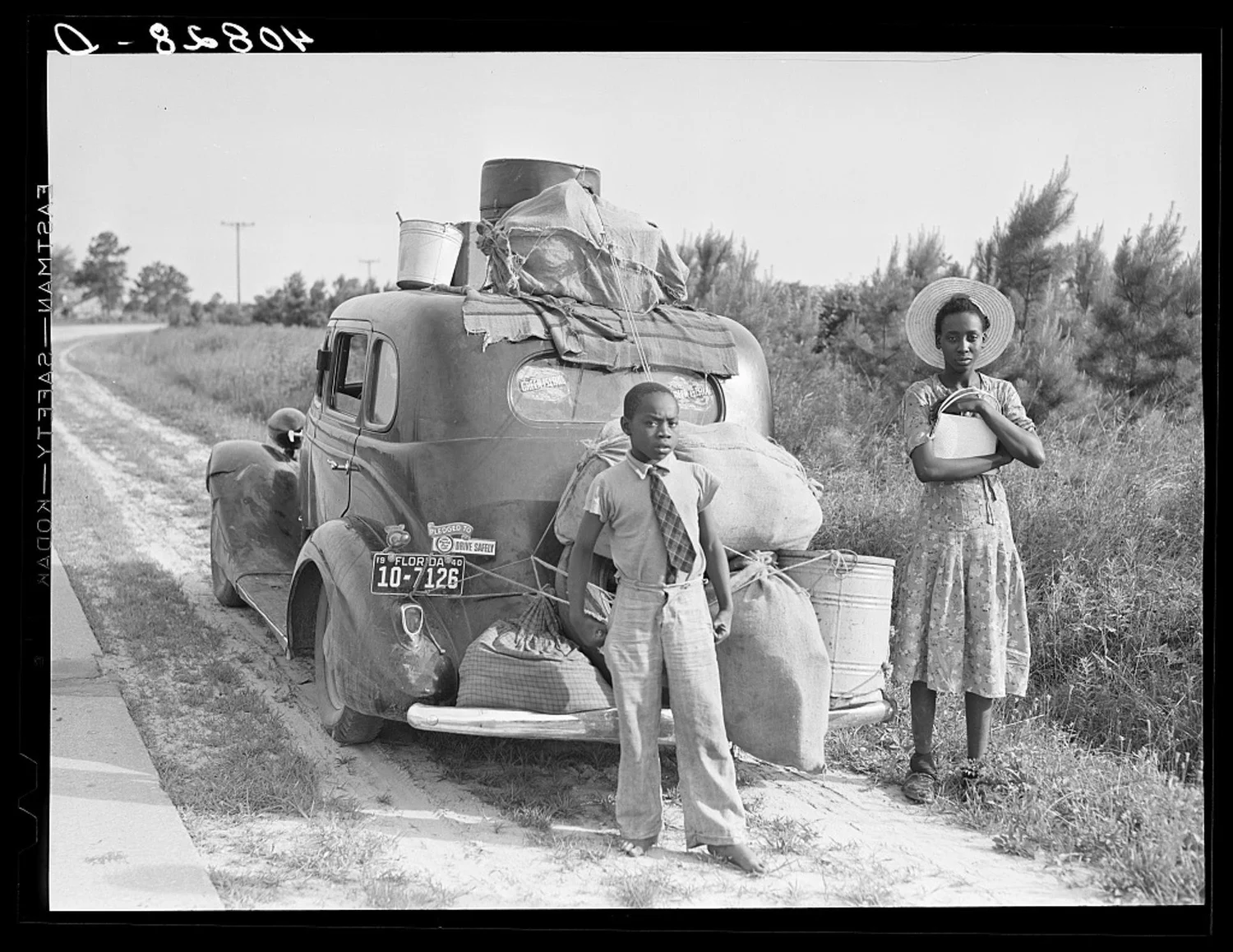
Read the text (Song of America) ↗
Rebecca Clarke — The Cloths of Heaven
Text by William Butler Yeats
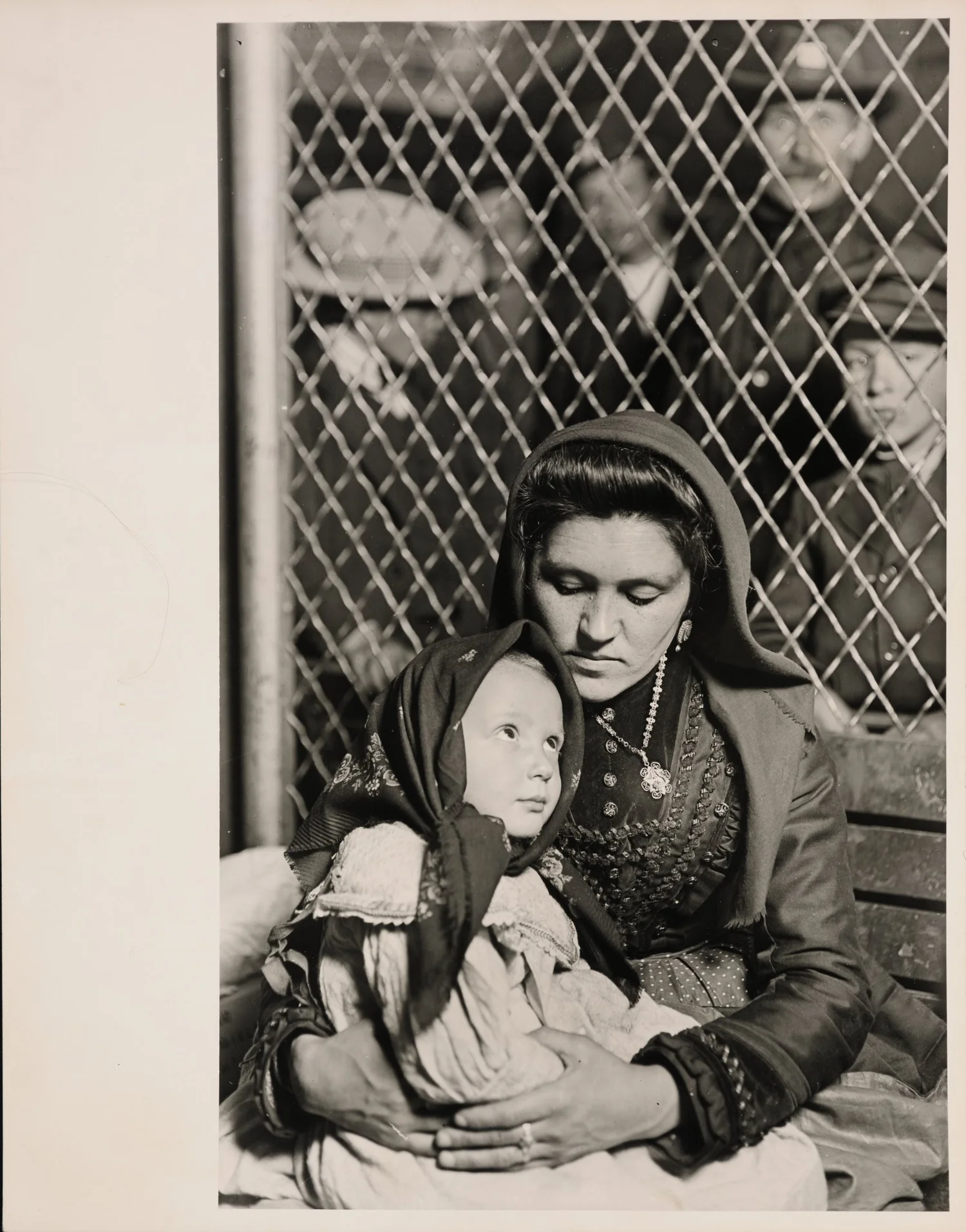
Had I the heavens’ embroidered cloths, Enwrought with golden and silver light, The blue and the dim and the dark cloths Of night and light and the half-light, I would spread the cloths under your feet: But I, being poor, have only my dreams; I have spread my dreams under your feet; Tread softly because you tread on my dreams.
Florence Price — Sympathy
Text by Paul Laurence Dunbar
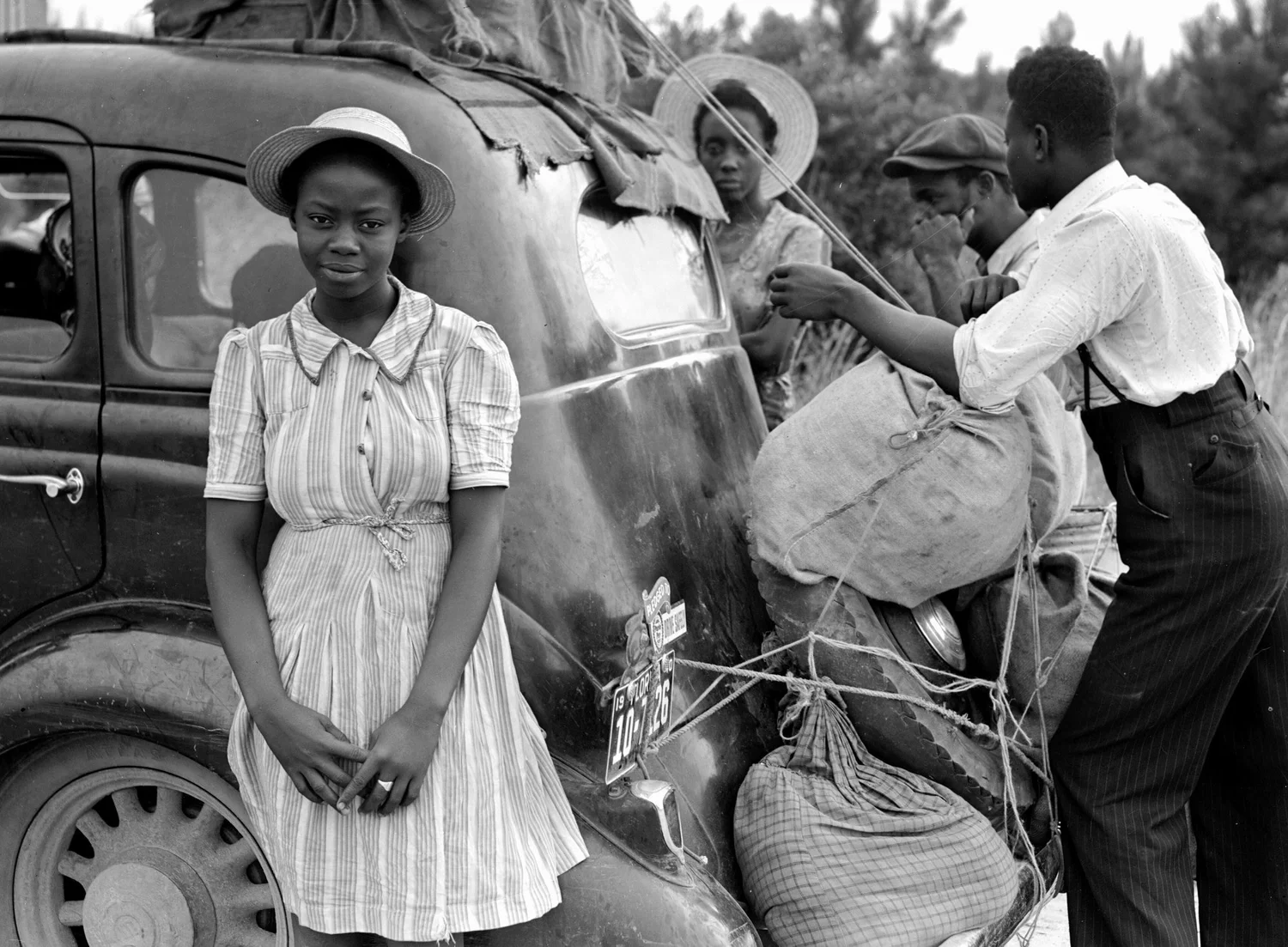
I know what the caged bird feels, alas! When the sun is bright on the upland slopes; When the wind stirs soft through the springing grass, And the river flows like a stream of glass; When the first bird sings and the first bud opes, And the faint perfume from its chalice steals — I know what the caged bird feels! I know why the caged bird beats his wing Till its blood is red on the cruel bars; For he must fly back to his perch and cling When he fain would be on the bough a-swing; And a pain still throbs in the old, old scars And they pulse again with a keener sting — I know why he beats his wing! I know why the caged bird sings, ah me, When his wing is bruised and his bosom sore, — When he beats his bars and he would be free; It is not a carol of joy or glee, But a prayer that he sends from his heart’s deep core, But a plea, that upward to Heaven he flings — I know why the caged bird sings!
Closing
Irving Berlin — Give Me Your Tired, Your Poor
Text by Emma Lazarus
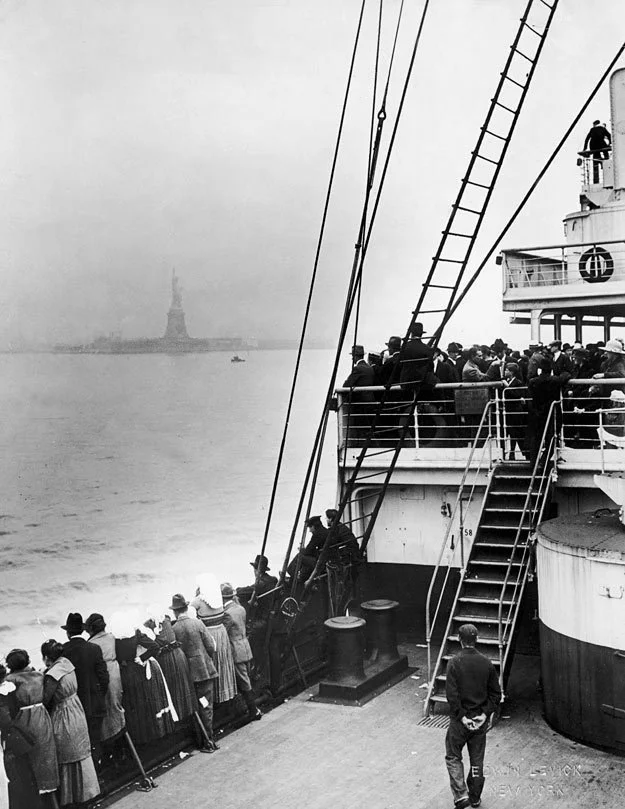
Give me your tired, your poor, Your huddled masses yearning to breathe free, The wretched refuse of your teeming shore. Send these, the homeless, tempest-tost to me, I lift my lamp beside the golden door!
About the images
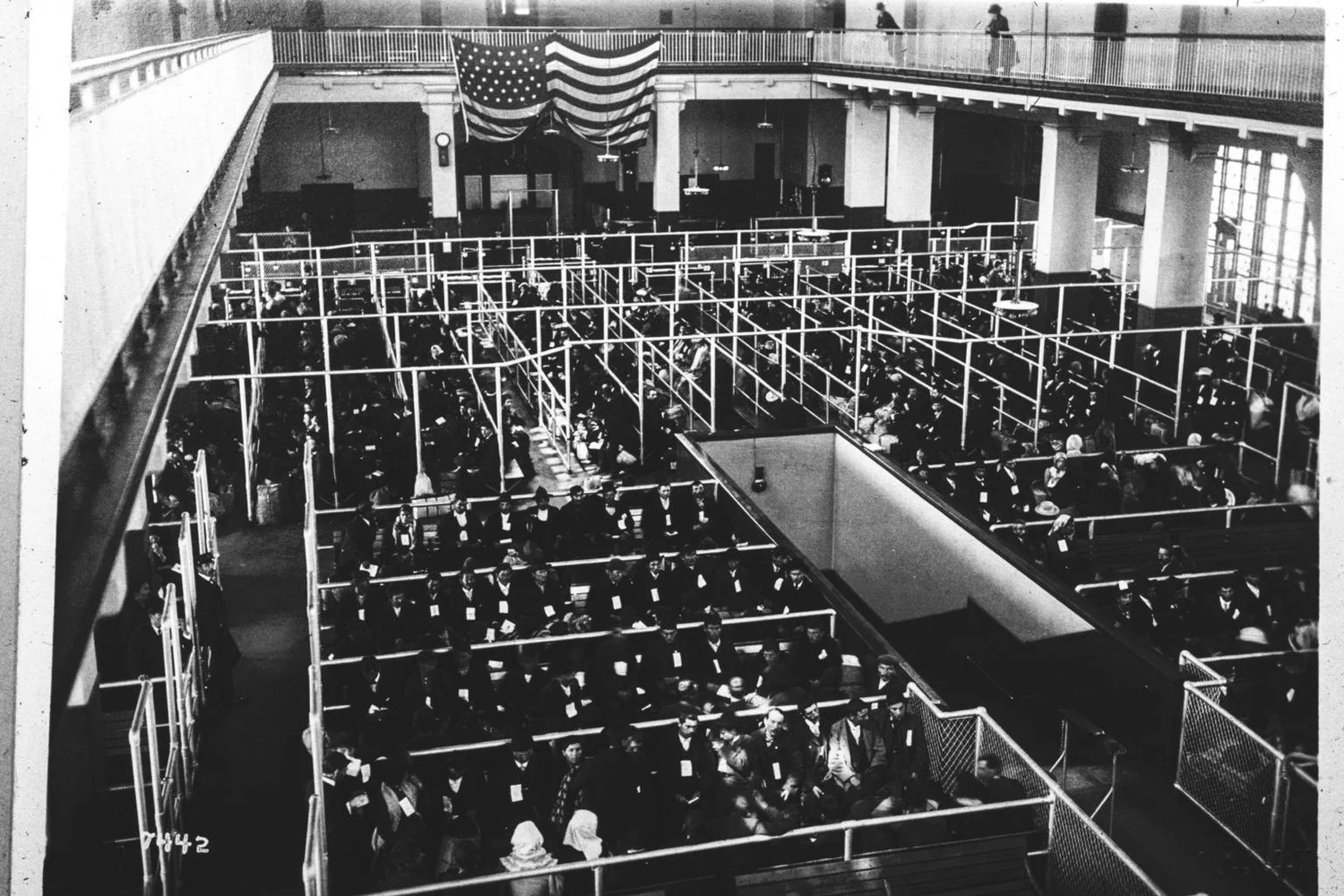
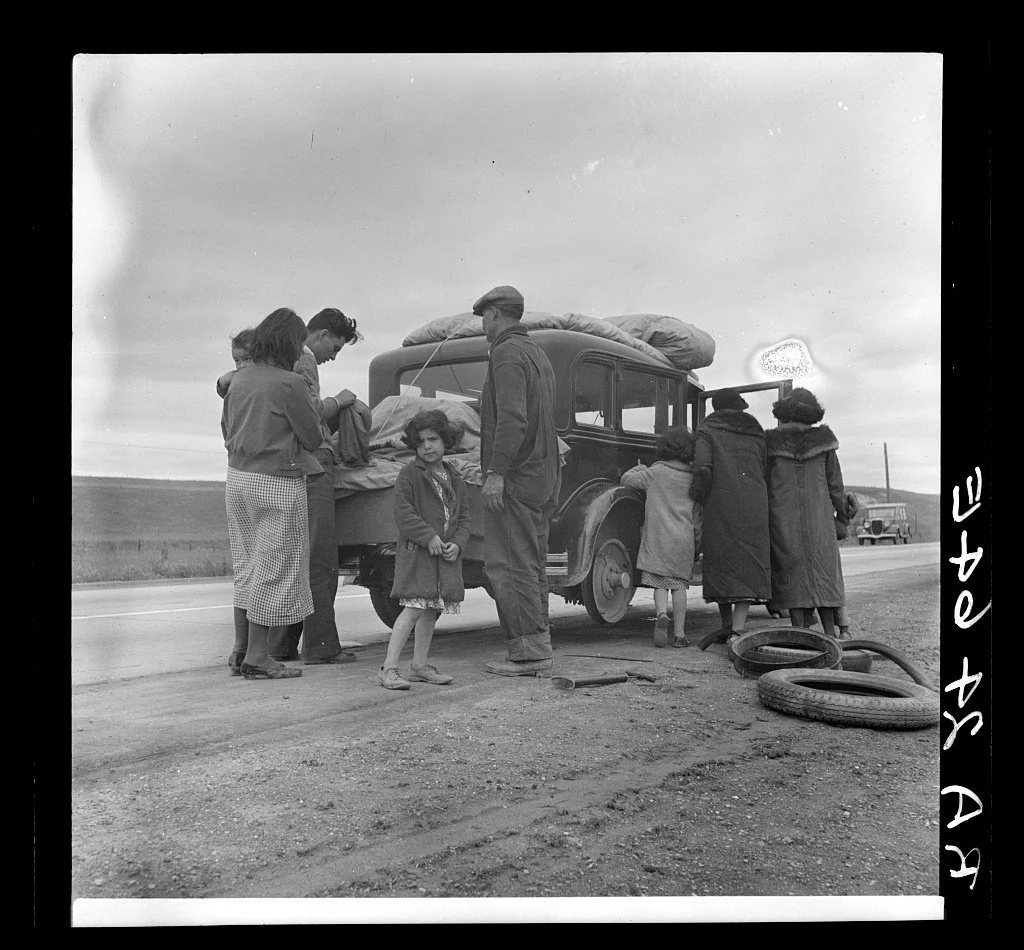
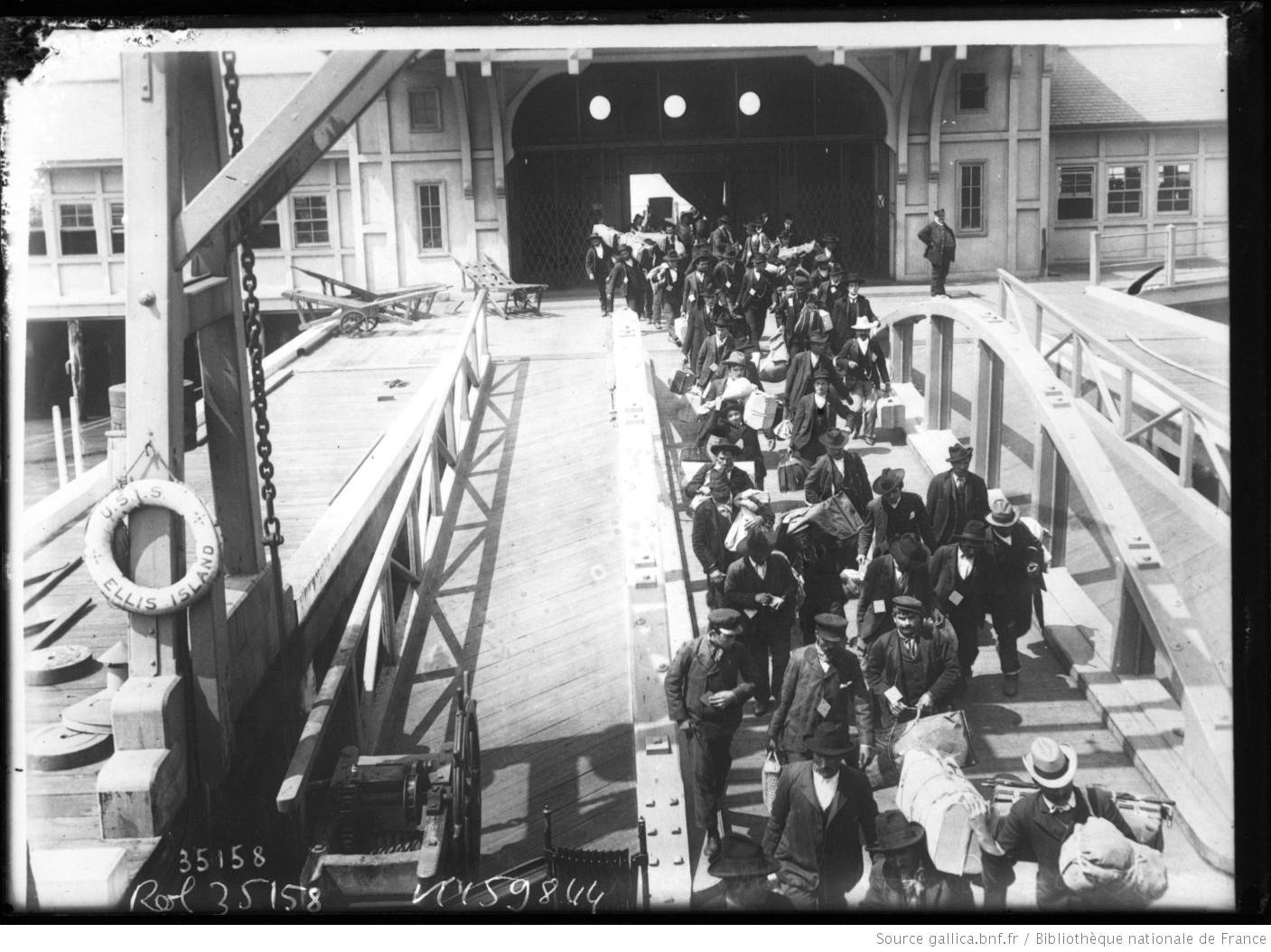
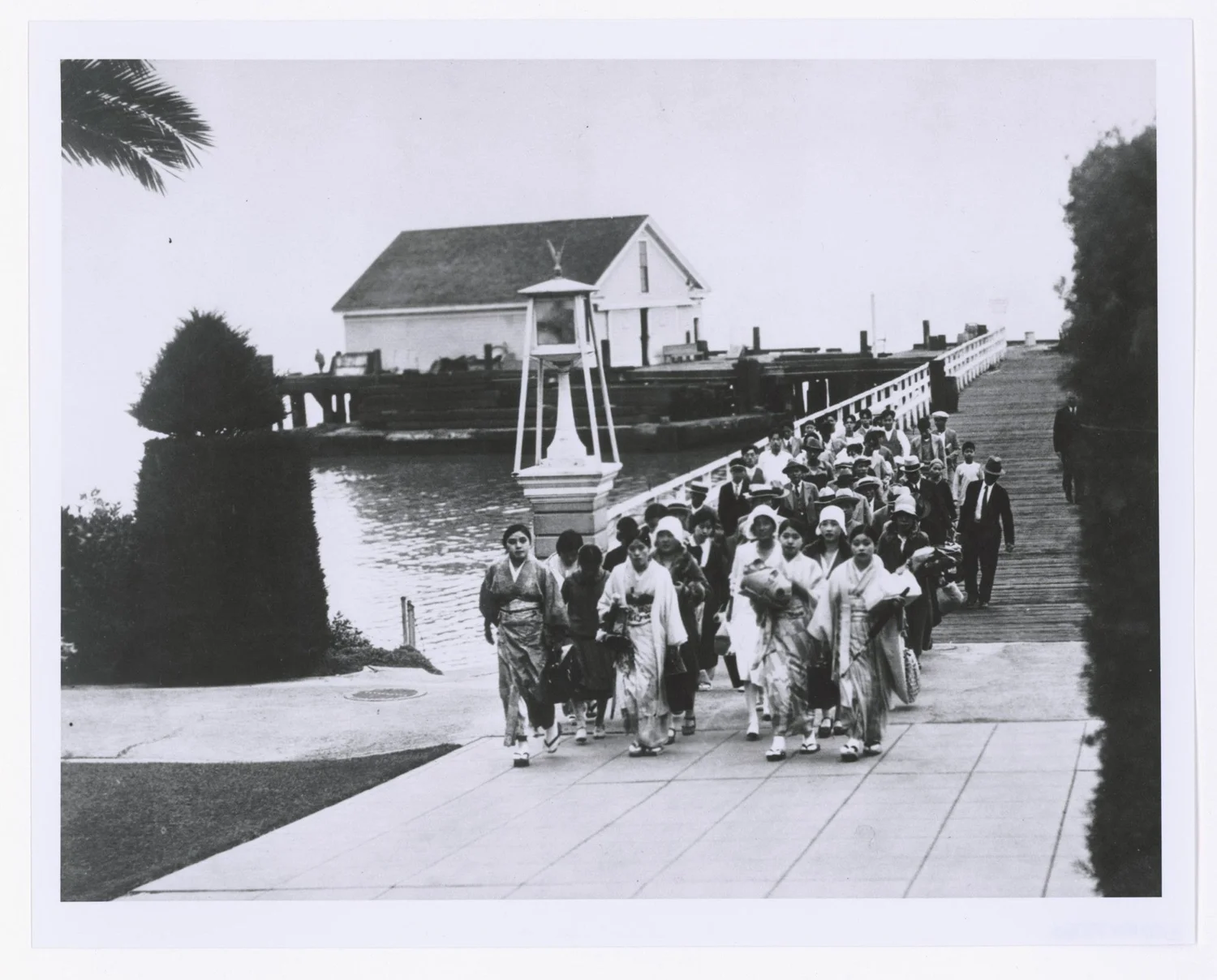
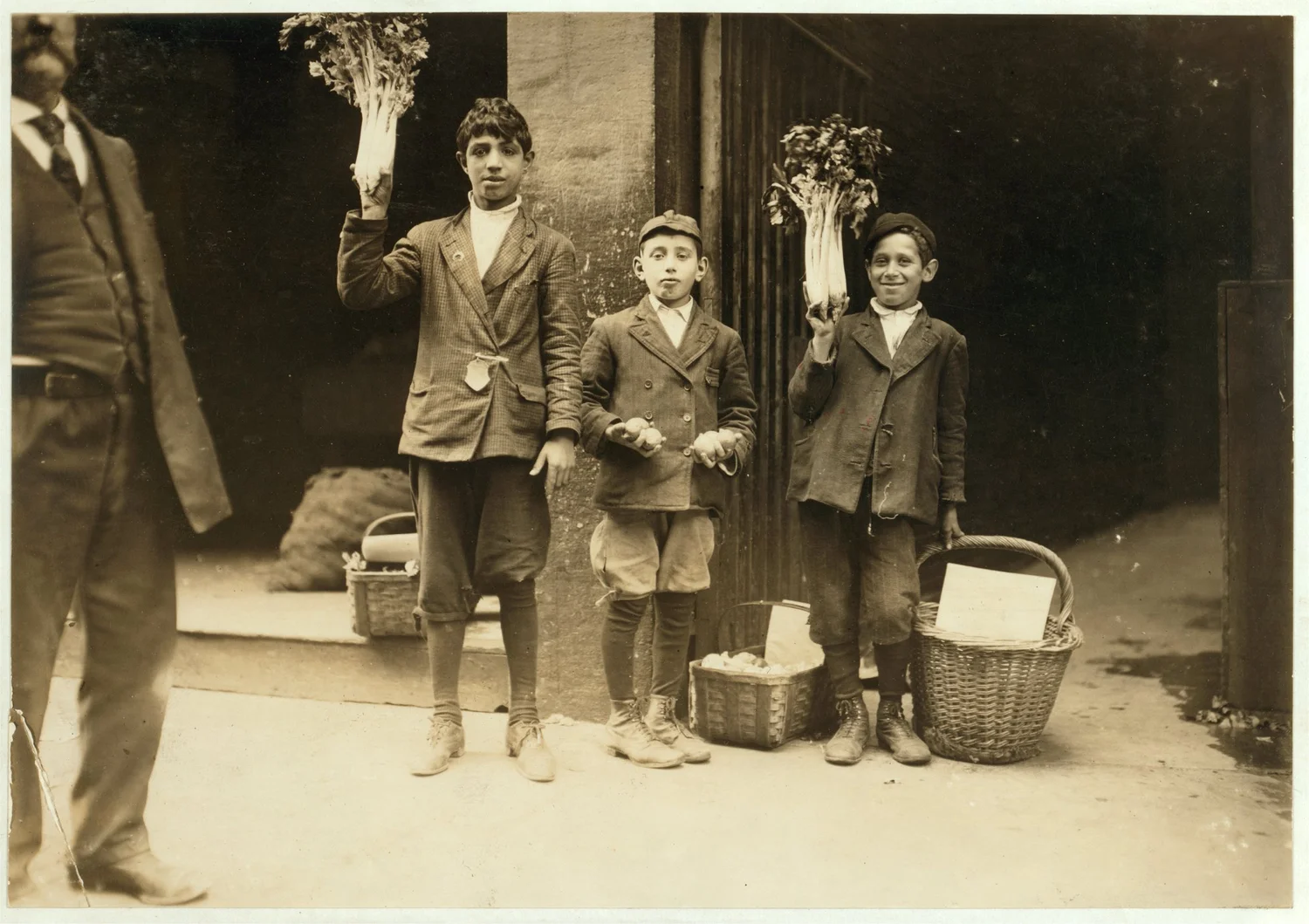
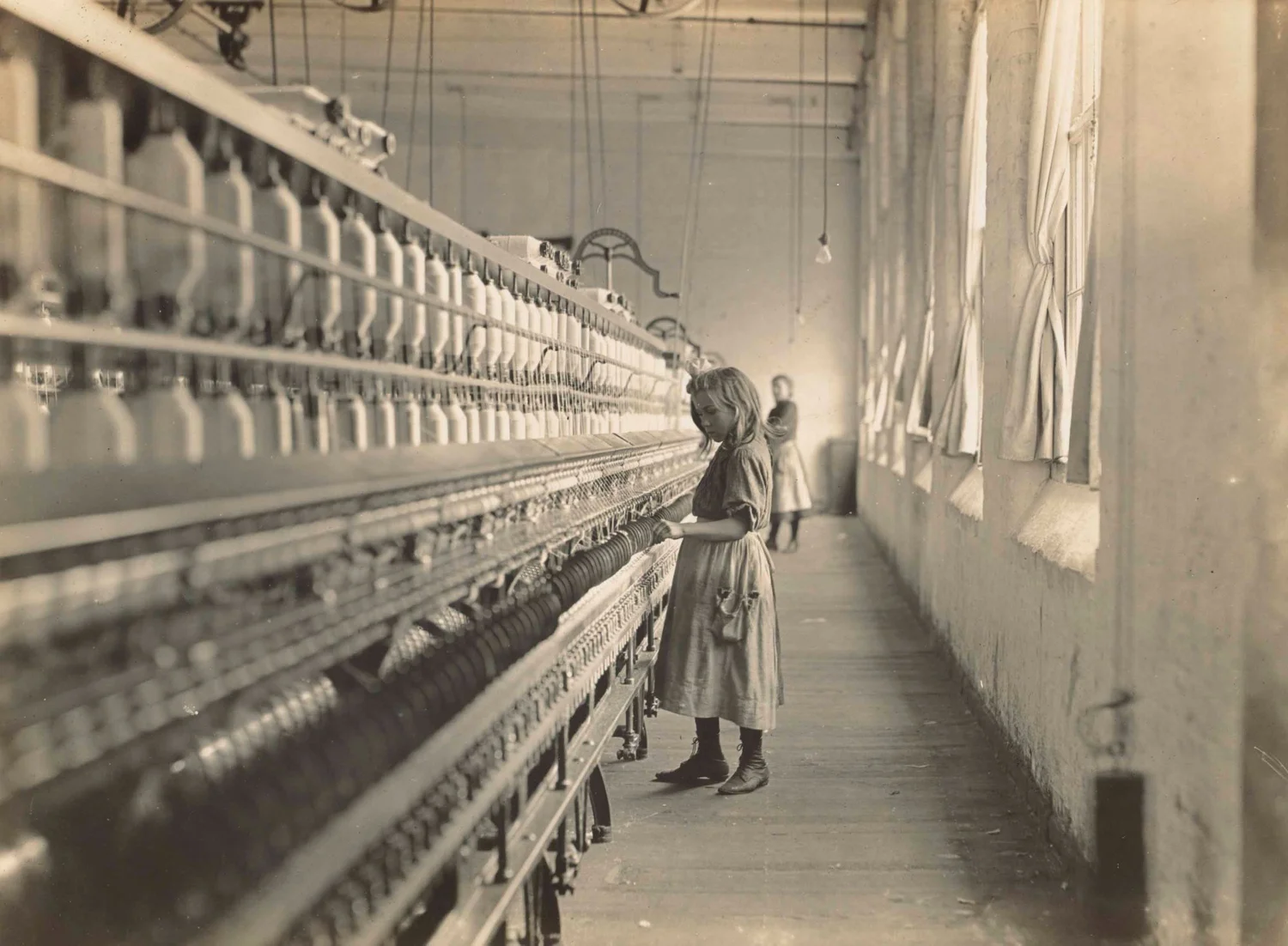
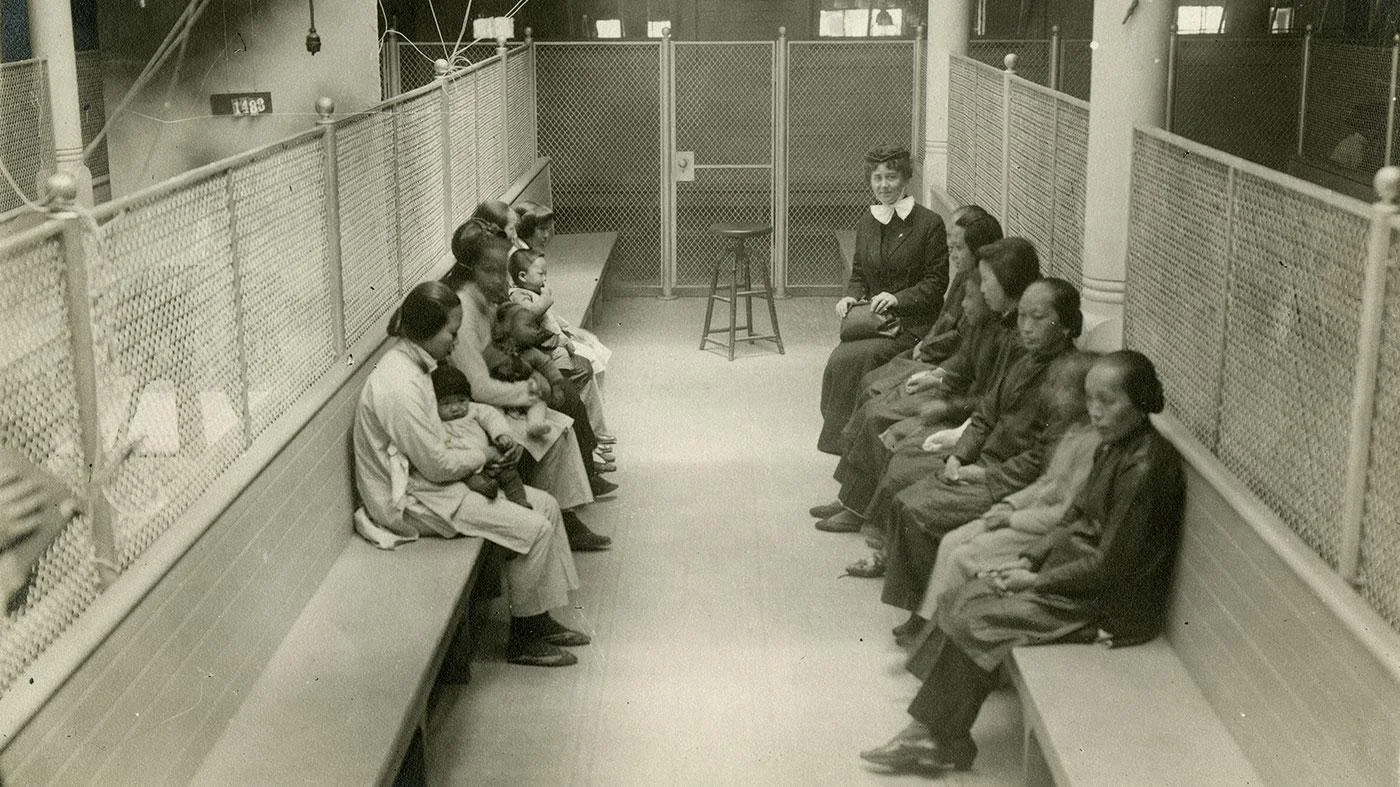
In performance, the archival photographs are projected with a duotone treatment; the opening image, of the Registry Room at Ellis Island, also carries an artistic treatment by Hana S Kim. The photographs on this page are shown as the untreated originals. Unless otherwise noted, they are in the public domain.
Image credits appear beneath each photograph above.